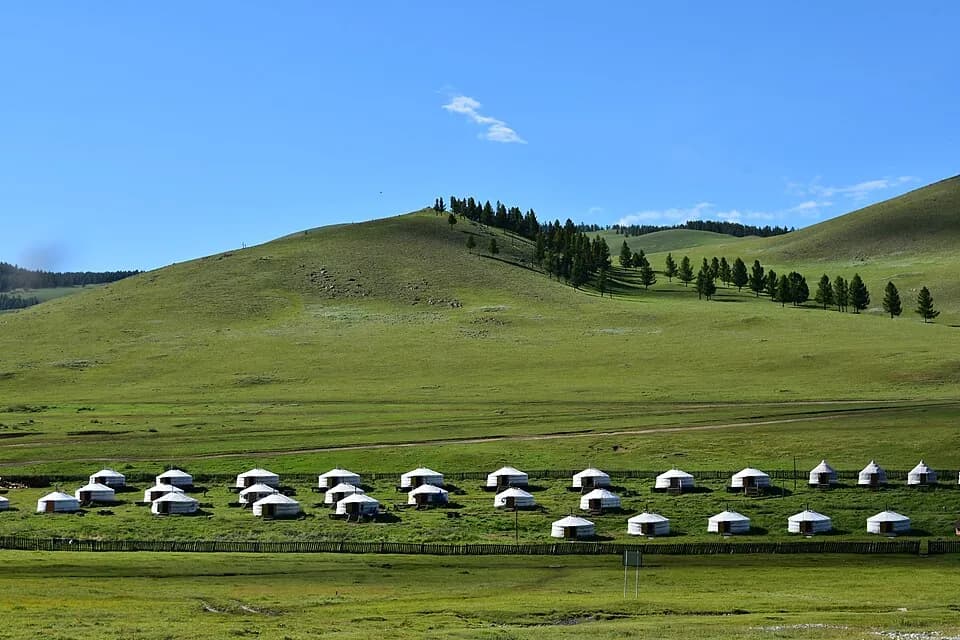
Mongolia's second-hottest spring, piped into ger camp pools in a forested valley south of Tsetserleg.
Tsenkher Hot Springs rise at about 1,850 m in a forested valley on the northern side of the Khangai Mountains, around 27 km south of Tsetserleg. The water emerges at up to 86 °C, the second-hottest spring in Mongolia after Shargaljuut, and flows at roughly 10 litres per second. Several ger camps pipe it into indoor and outdoor pools cooled to bathing temperature.
The water and the valley
Tourism sources describe the water as alkaline and rich in sodium bicarbonate and sulphate, with fluoride and hydrogen sulphide, which explains the faint smell of sulphur near the source. Mongolians have long used it for joint and nerve complaints, though these benefits are traditional rather than medically proven. Steam drifts from the pipes and channels between the camps, and around them forested slopes and open meadows rise from the valley floor.
When to go
The springs are open all year. June to August brings green valleys and wildflowers, but also afternoon rain, mud on the track and crowds at weekends. September and early October are cooler and quieter, with the forest turning yellow. In winter, night temperatures fall far below freezing, and sitting in a hot outdoor pool under a clear, starry sky is the main attraction. The track from Tsetserleg can then be snowy or icy, so travel with a driver who knows it.
Bathing safely
Water at the source is close to scalding, so never touch open pipes or channels, and test each pool before you get in. Keep soaks to 15 to 20 minutes, drink plenty of water, avoid alcohol before bathing and get out slowly, as heat and altitude together can make you dizzy. Anyone with a heart condition or high blood pressure, and pregnant women, should check with a doctor first. Shower before entering shared pools.
Photo: Richard Mortel · CC BY 2.0 · Wikimedia Commons
Things to do at Tsenkher Hot Springs
5 activities · best season: Spring, Summer, Autumn, Winter
Hot springs · 1–2 h
Soak in the hot pools
Bathe in the camp pools fed by the spring. The source water is far too hot to touch, so use only the pools and tubs that the camps cool to a safe temperature.
Hiking · 2–3 h
Walk the forested slopes
Climb the hills around the valley for views over the forest and the camps below.
Read the guide →Horse riding · 1–3 h
Ride in the valley
Camps can usually arrange horses and a local guide for rides into the surrounding valleys.
Read the guide →Winter · 1–2 h
Winter soak
The springs stay open in winter. Sitting in a hot outdoor pool while the air is well below freezing is one of the main reasons to come in the cold season.
Stargazing · Evening
Stars from the pool
On clear nights an evening soak comes with a dark sky full of stars.
When to go & how to get there
Weather by month
Getting there
From Ulaanbaatar, follow the paved road west via Kharkhorin towards Tsetserleg, roughly 470–480 km in total. The springs lie about 24 km from the Tsenkher soum centre (or about 27 km south of Tsetserleg) on an unpaved track that can be rough and muddy. Allow a full day from Ulaanbaatar, or combine the springs with Kharkhorin and Tsetserleg.
Where to stay
Several ger camps around the spring have their own bathing facilities, ranging from simple to more comfortable. Most visitors stay at least one night. Book ahead at weekends and holidays, when the springs are popular with visitors from Ulaanbaatar.
Gallery
1 photos · tap to enlarge · sources credited on each photo
Where is Tsenkher Hot Springs?
from Ulaanbaatar from Tsetserleg · a dotted end marks a stretch with no road
Arkhangai province · nearest town: Tsenkher soum
Khangai & Central
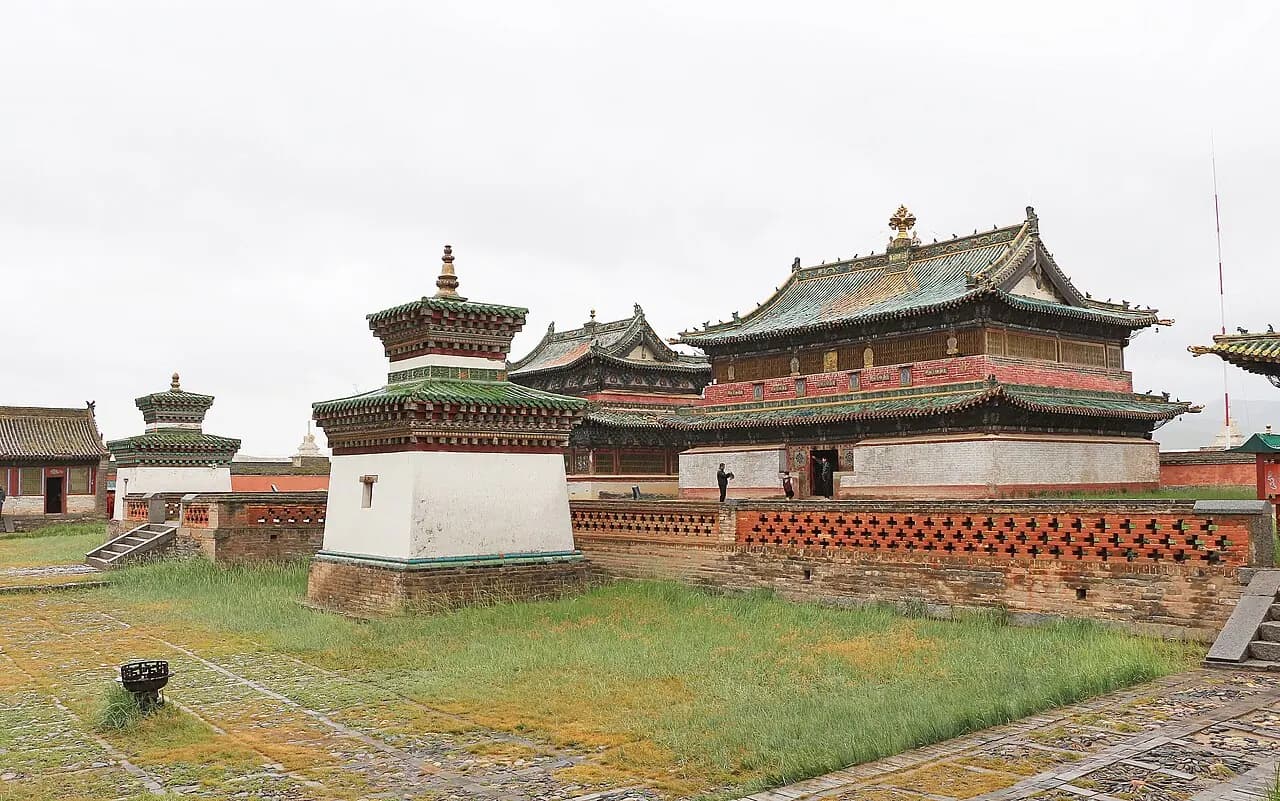
Kharkhorin & Erdene Zuu
Mongolia's oldest surviving Buddhist monastery, built on the ruins of the imperial capital Karakorum.
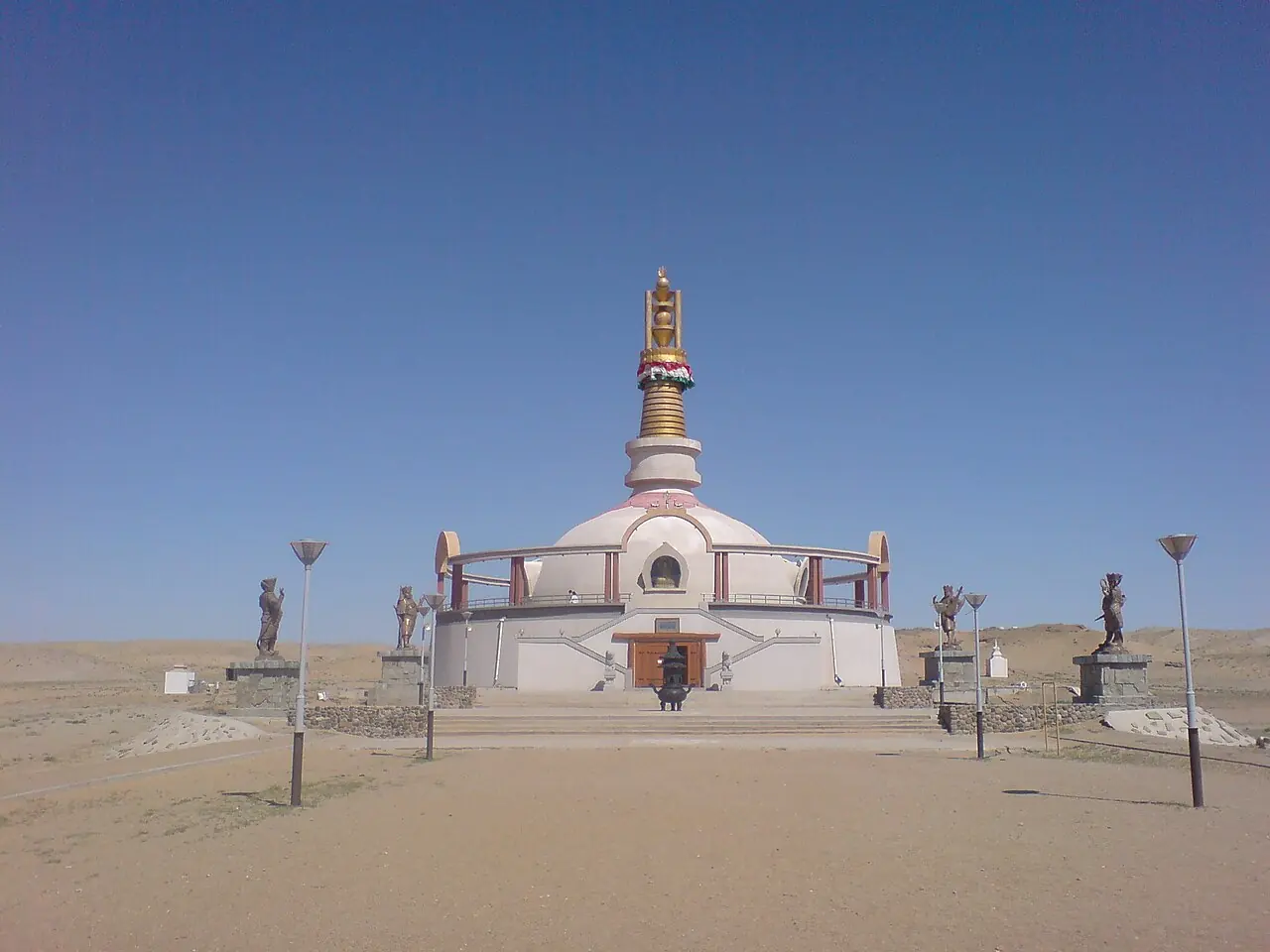
Khögnö Khan & Elsen Tasarkhai
Gobi, steppe and mountain in one place; the closest dunes to the capital.
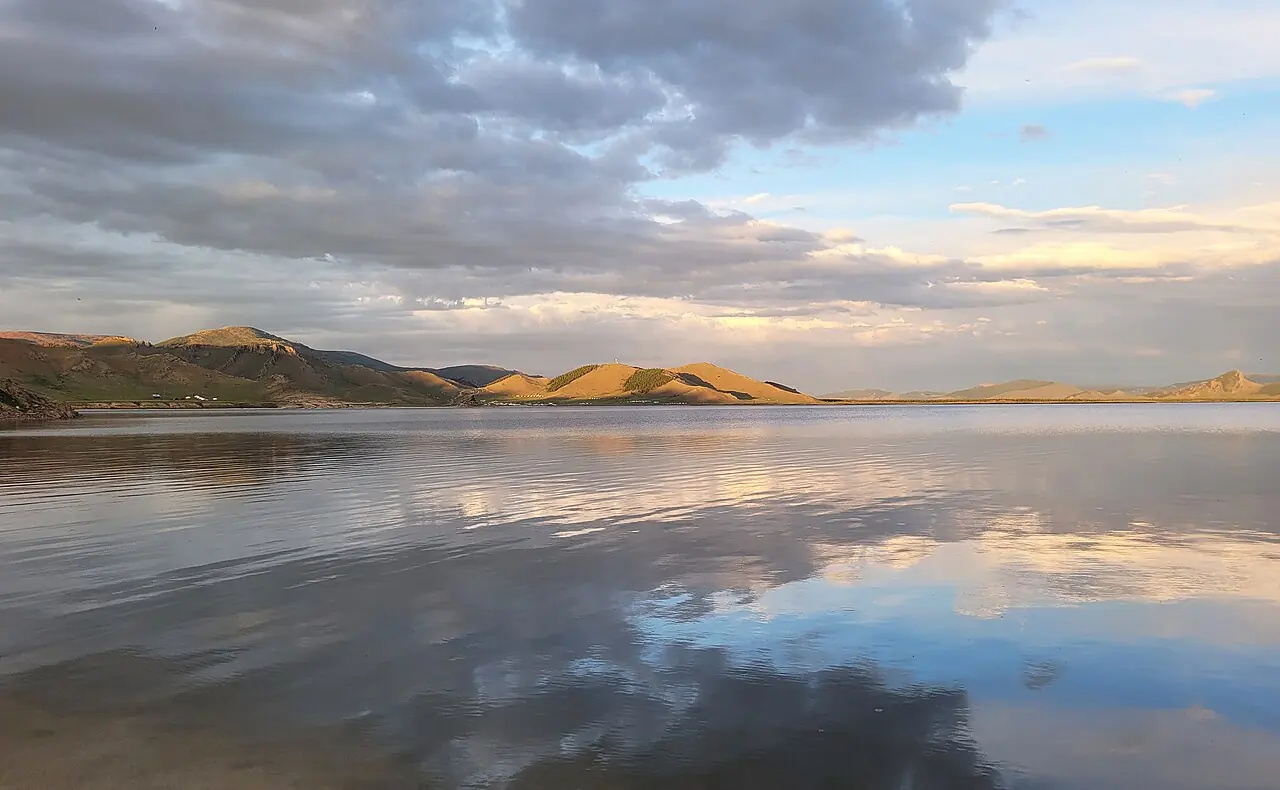
Terkhiin Tsagaan Lake & Khorgo
A freshwater lake beside an extinct volcano.