Hiking and Trekking in Mongolia
Hiking and trekking in Mongolia: the best regions from Terelj and Bogd Khan Uul to Khövsgöl and the Altai, when to go, navigation, permits and safety.
3 min read · Updated
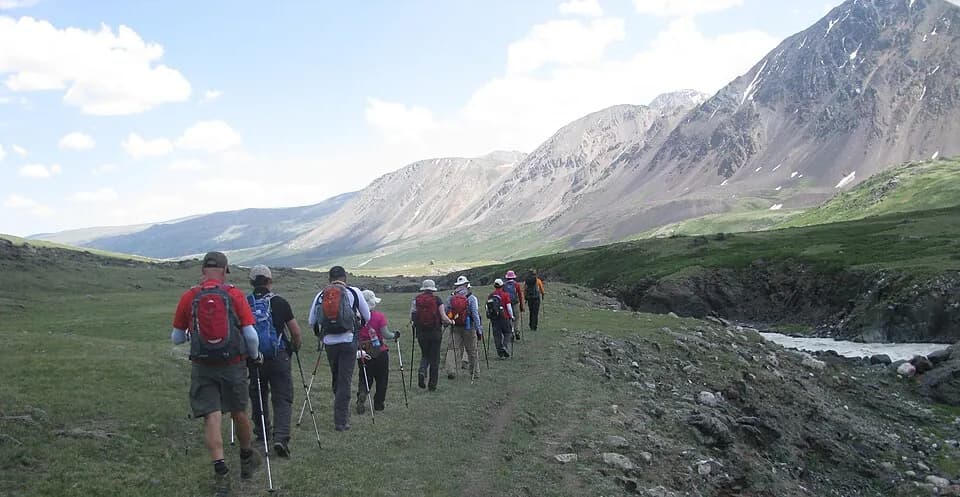
Photo: Mongolia Expeditions… · CC BY 3.0 · Wikimedia Commons
Hiking and trekking in Mongolia means wild, mostly unmarked terrain: open valleys, larch forest, alpine lakes and glaciated peaks, with very few other people. The easiest walking is close to Ulaanbaatar, while serious multi-day treks are found around Lake Khövsgöl, in the Khangai mountains and in the Altai.
Best regions for hiking in Mongolia
- Bogd Khan Uul: the mountain just south of Ulaanbaatar has been protected since the 18th century and is often cited as one of the world's oldest protected areas. A popular day hike crosses the range from Manzushir Monastery towards the city.
- Gorkhi-Terelj National Park: granite tors, river valleys and the hillside Aryapala meditation temple offer easy day hikes, while longer routes lead to the remote lake Khagiin Khar.
- Lake Khövsgöl: shoreline trails and ridges with lake views; multi-day routes follow the quieter western shore.
- Khangai mountains: forested valleys, hot springs such as Tsenkher and the sacred peak Otgontenger, where access to the summit area is restricted, so check current rules with the protected-area administration.
- Altai Tavan Bogd: glacier treks to the base of Khüiten Peak and the Potanin Glacier. Climbing the peaks themselves is mountaineering and needs experience, equipment and a qualified guide.
When to go and what conditions are like
The hiking season runs from about June to September. July and August are the warmest months but also the wettest, with afternoon thunderstorms common in the mountains. Snow can fall at altitude in any month, and nights are cold even in midsummer. Rivers rise quickly after rain and bridges are rare, so plan crossings carefully. In forested areas, ticks are active in spring and early summer and can carry tick-borne encephalitis; ask your doctor about vaccination, use repellent and check yourself daily.
Navigation, permits and logistics
Trails are rarely signposted, so carry offline maps on a GPS device or phone plus a paper map, and do not rely on mobile coverage outside towns. Protected areas charge entry fees, and border zones such as Altai Tavan Bogd and parts of northern Khövsgöl require permits. Fees and rules change, so confirm them with the protected-area administration or your tour operator before you set off. Treat or filter all water from streams and lakes. On longer treks, pack horses, camels or a support vehicle can carry gear, and a local guide makes route-finding much easier.
Hiking etiquette
Walk clockwise around ovoo (stone cairns) and do not remove stones or offerings. Ask permission before camping near a herder's ger, and when approaching a ger call out "Nokhoi khorio!" ("Hold the dog!") and wait for someone to come out. Carry all rubbish back to town.
Practical tips
- Hike with a partner, leave your route plan with someone, and carry a first-aid kit; a satellite messenger is worth taking on remote treks.
- Pack layers: mornings in the mountains can be near freezing even in July.
- Wear sturdy, broken-in boots with good ankle support for rough, trackless ground.
- Check your insurance covers trekking at altitude and evacuation from remote areas.
Places in this guide
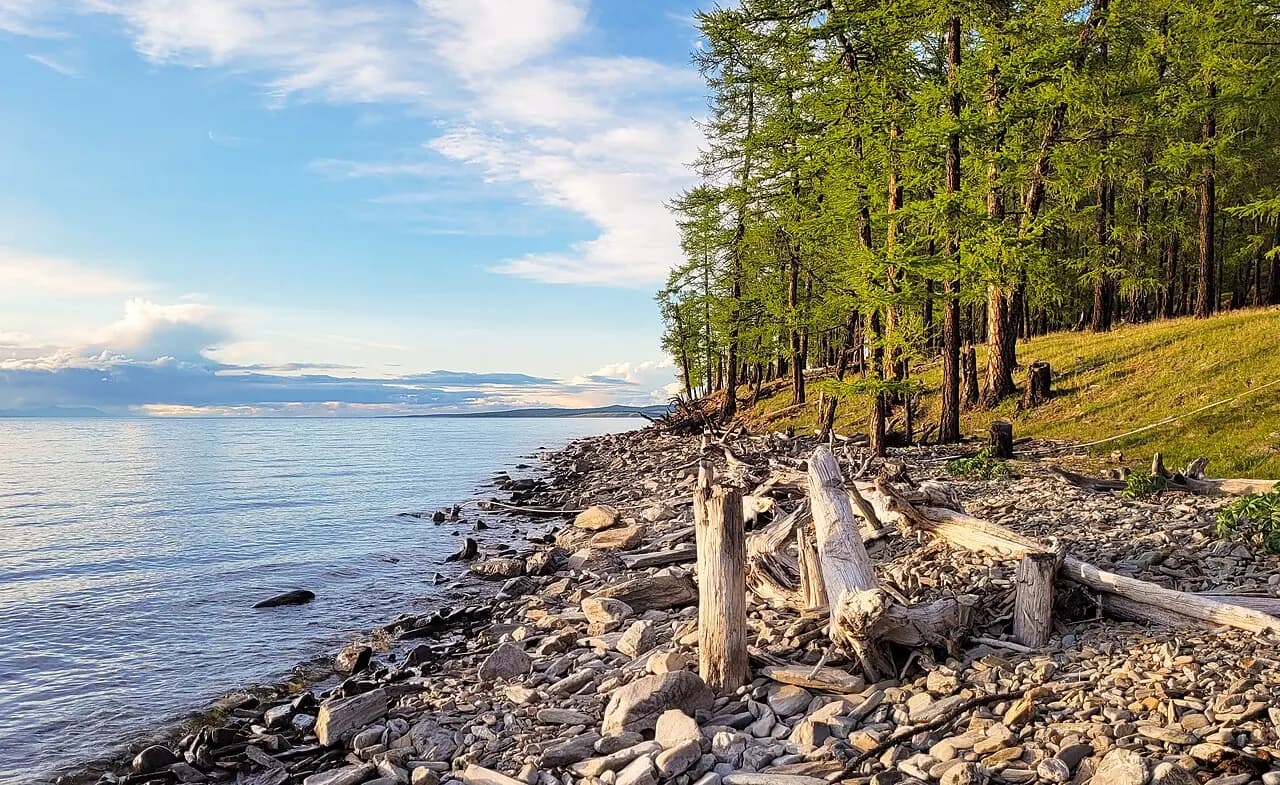
Lake Khövsgöl
The 'blue pearl of Mongolia', holding almost 70% of Mongolia's fresh water.
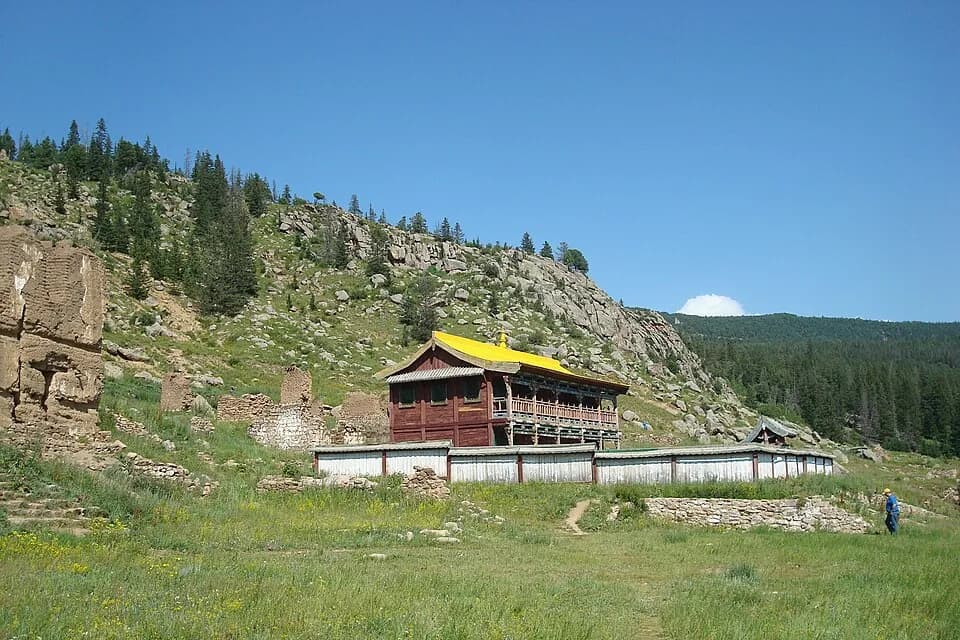
Manzushir Monastery
Ruins of an 18th-century monastery in the forest on the south side of Bogd Khan Uul, near Zuunmod.
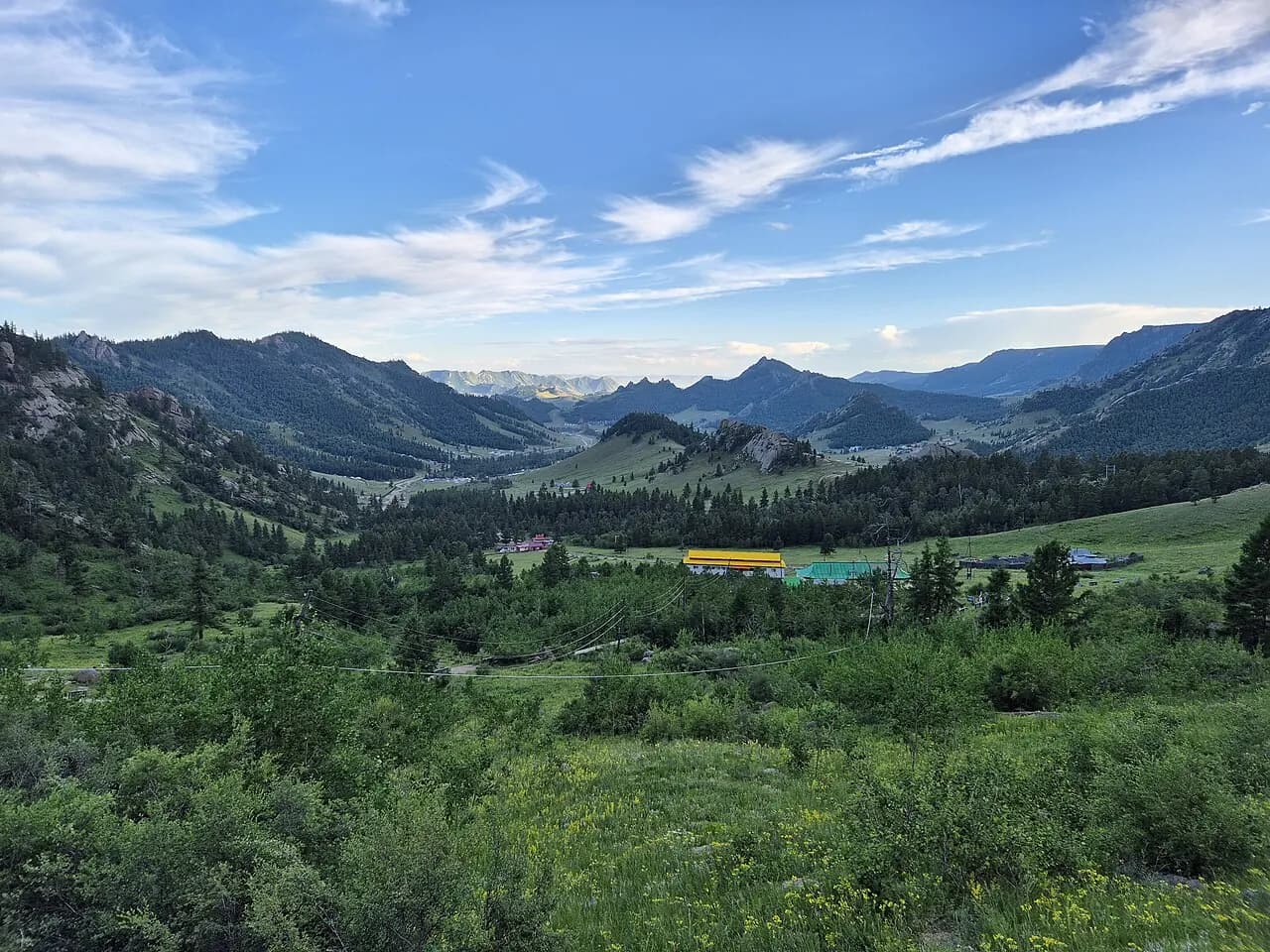
Gorkhi-Terelj
Rocks, forests and ger camps 1.5 hours from the capital.
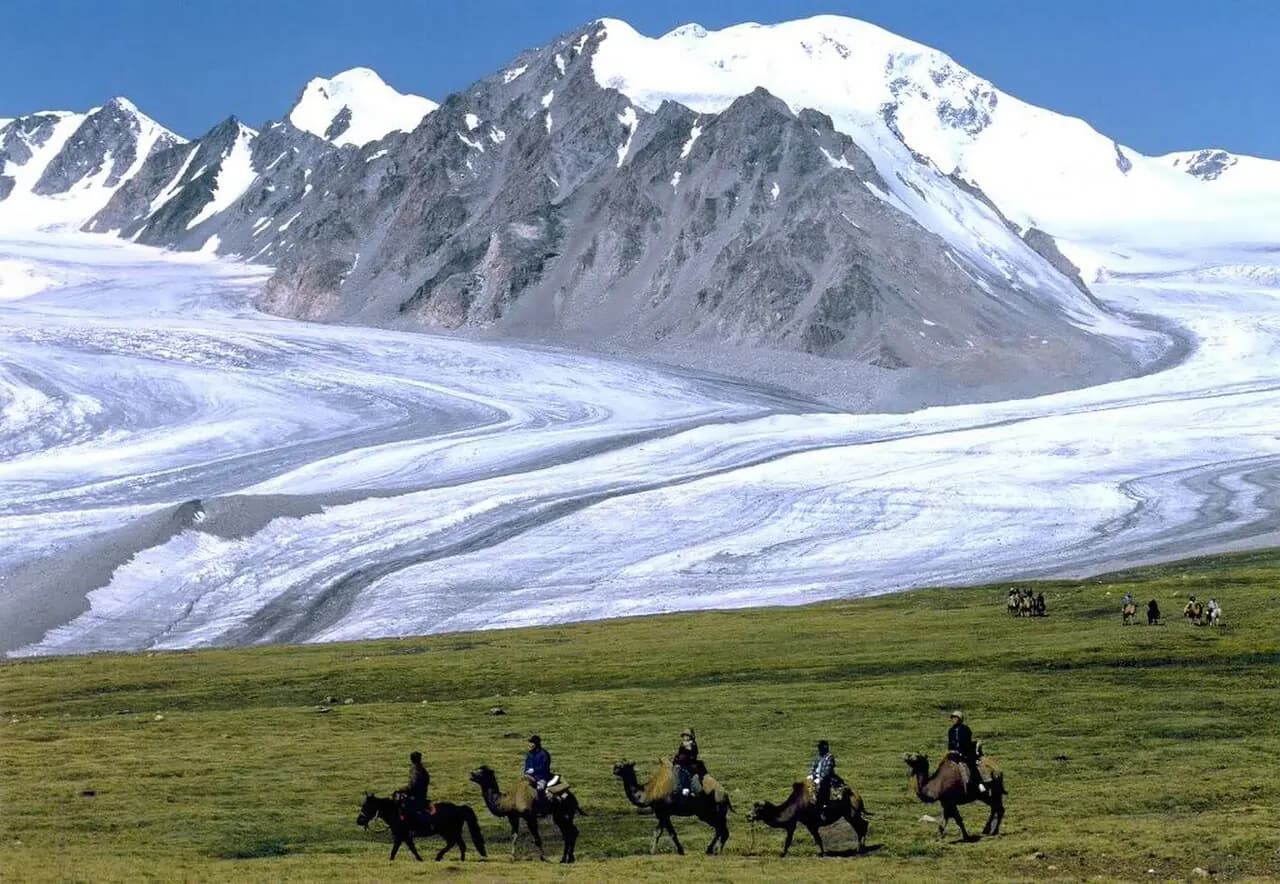
Altai Tavan Bogd
Mongolia's highest peak Khüiten (4,374 m) and the Potanin glacier.
Frequently asked questions
Are hiking trails marked in Mongolia?
Rarely. Apart from a few routes near Ulaanbaatar and in national parks, you need offline maps, a GPS and ideally a local guide.
Do I need a permit to trek in Altai Tavan Bogd?
Yes. The park lies in a border zone, so a border permit and park entry fee are normally required. Arrange them in advance through your tour operator.
What is a good day hike near Ulaanbaatar?
Crossing Bogd Khan Uul from Manzushir Monastery towards the city is a classic full-day hike. Gorkhi-Terelj also has many easy half-day walks.