Biking and Cycling in Mongolia
Biking and cycling in Mongolia: mountain biking routes near Terelj and in central Mongolia, road conditions, bike gear, spare parts, season and safety.
2 min read · Updated
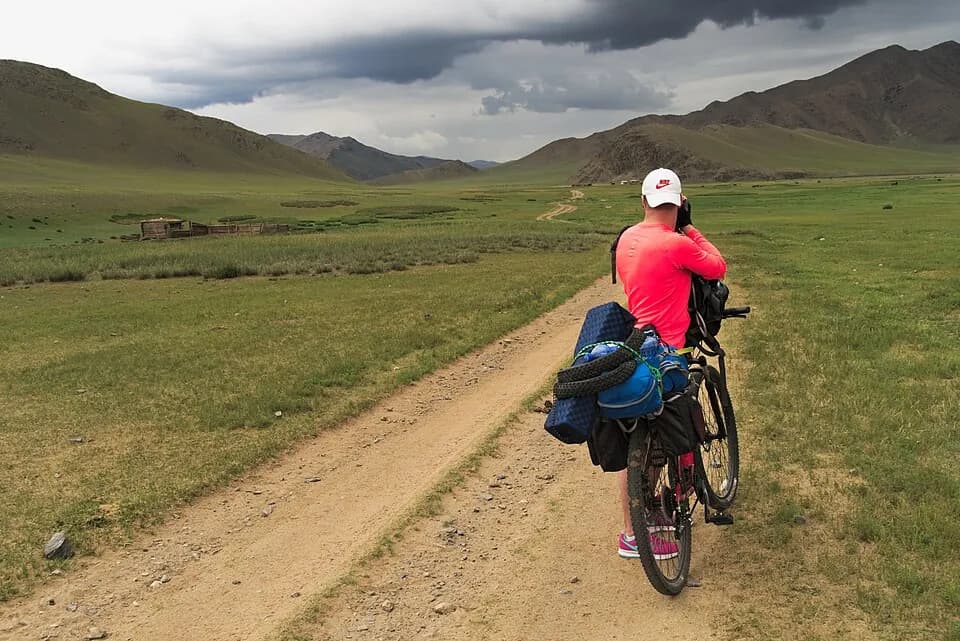
Photo: Sergio Tittarini from Shanghai, China · CC BY 2.0 · Wikimedia Commons
Biking and cycling in Mongolia is mostly an adventure on dirt: away from the paved highways, jeep tracks fan out across the steppe, giving mountain bikers and bikepackers enormous freedom. Most riders join a supported tour, with a vehicle carrying luggage, food and water, while experienced cyclists sometimes tour independently.
Best areas for mountain biking
- Gorkhi-Terelj and Bogd Khan Uul: within easy reach of Ulaanbaatar, with forest tracks, river valleys and granite scenery for day rides or short overnight trips.
- Orkhon Valley and Arkhangai: rolling grassland and river crossings, easily combined with Kharkhorin, the Tsenkher hot springs and Terkhiin Tsagaan Lake.
- Lake Khövsgöl: tracks through larch forest along the lake, rough and often muddy after rain.
- The Gobi: wide-open plains with sandy sections, heat, strong wind and scarce water, best tackled only on a fully supported trip.
Road conditions and what to expect
Paved roads now link Ulaanbaatar with most provincial (aimag) centres, but traffic is fast and shoulders are narrow, so many cyclists prefer the dirt tracks that run alongside or between them. Tracks braid, split and change, and their surfaces range from smooth hard-packed earth to corrugated washboard, sand and mud. Distances between district (soum) centres can exceed 100 km with no shops in between, so carry enough food and water. Spring is especially windy, and herders' dogs may chase cyclists near gers.
Bikes, gear and spare parts
A sturdy mountain bike or a touring bike with wide tyres is essential. Bring spare tubes or a tubeless repair kit, a spare tyre, chain links, a derailleur hanger, brake pads and a good multi-tool. Bike shops exist in Ulaanbaatar, but parts are very hard to find in the countryside. If you rent a bike from a tour operator, test it carefully before setting off. Carry at least 3–5 litres of water capacity and a filter or purification tablets.
Riding season and safety
June to September is the best season; late May and early October are possible but cold, with a chance of snow. Summer brings afternoon thunderstorms, so carry rain gear and warm layers. Ulaanbaatar traffic is heavy and drivers are not used to cyclists, so most riders start outside the city. Wear a helmet, use lights and reflective clothing on roads, and make sure your insurance covers cycling and medical evacuation.
Practical tips
- A supported tour is the easiest way to see remote areas; independent touring requires strong self-sufficiency and navigation skills.
- If you fly with your own bike, check the airline's baggage rules and fees, which change.
- Ask permission before camping near a ger, and call "Nokhoi khorio!" ("Hold the dog!") when approaching.
- Leave a route plan with someone, carry offline maps and expect little mobile coverage between towns.
Places in this guide
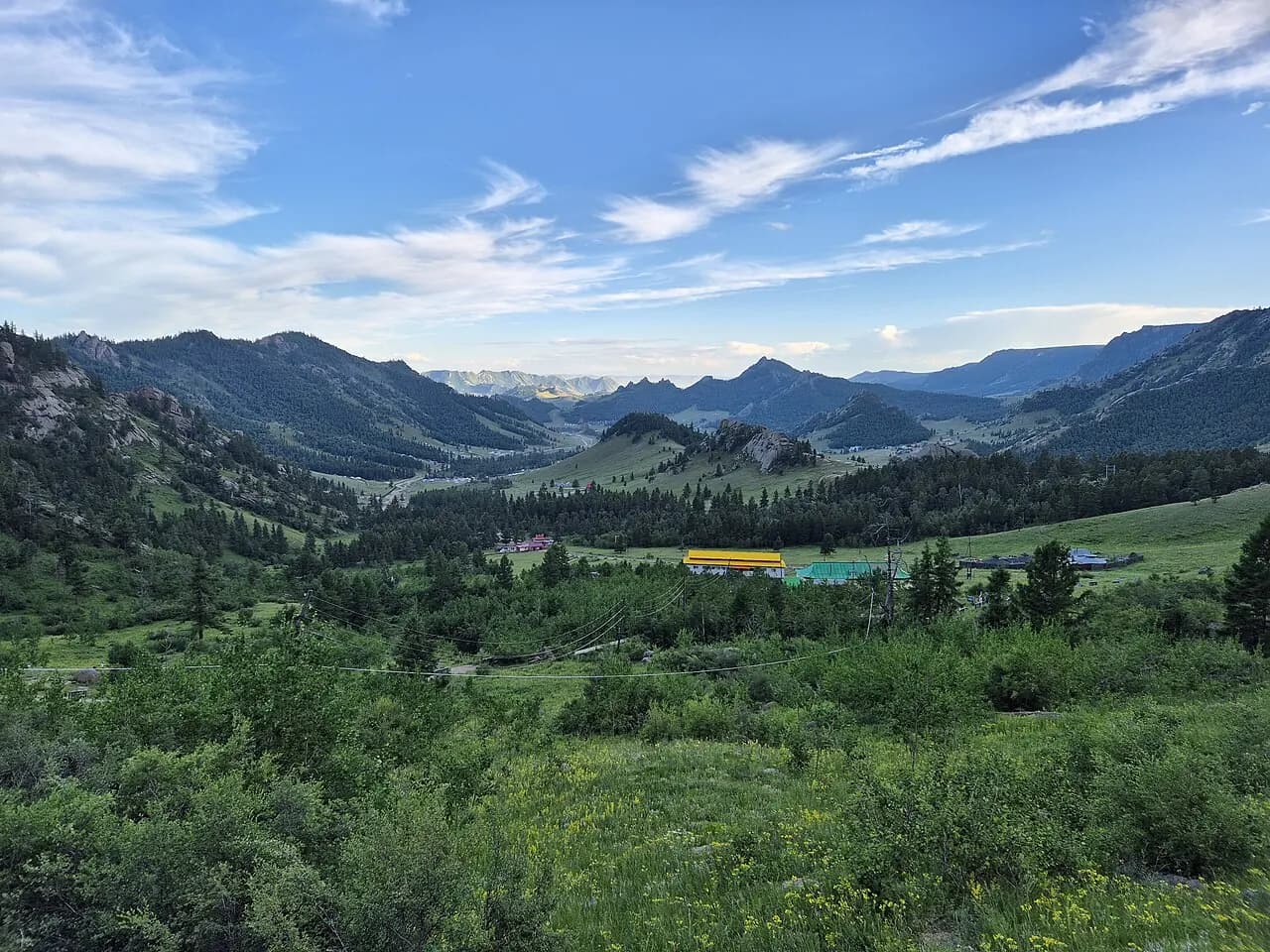
Gorkhi-Terelj
Rocks, forests and ger camps 1.5 hours from the capital.
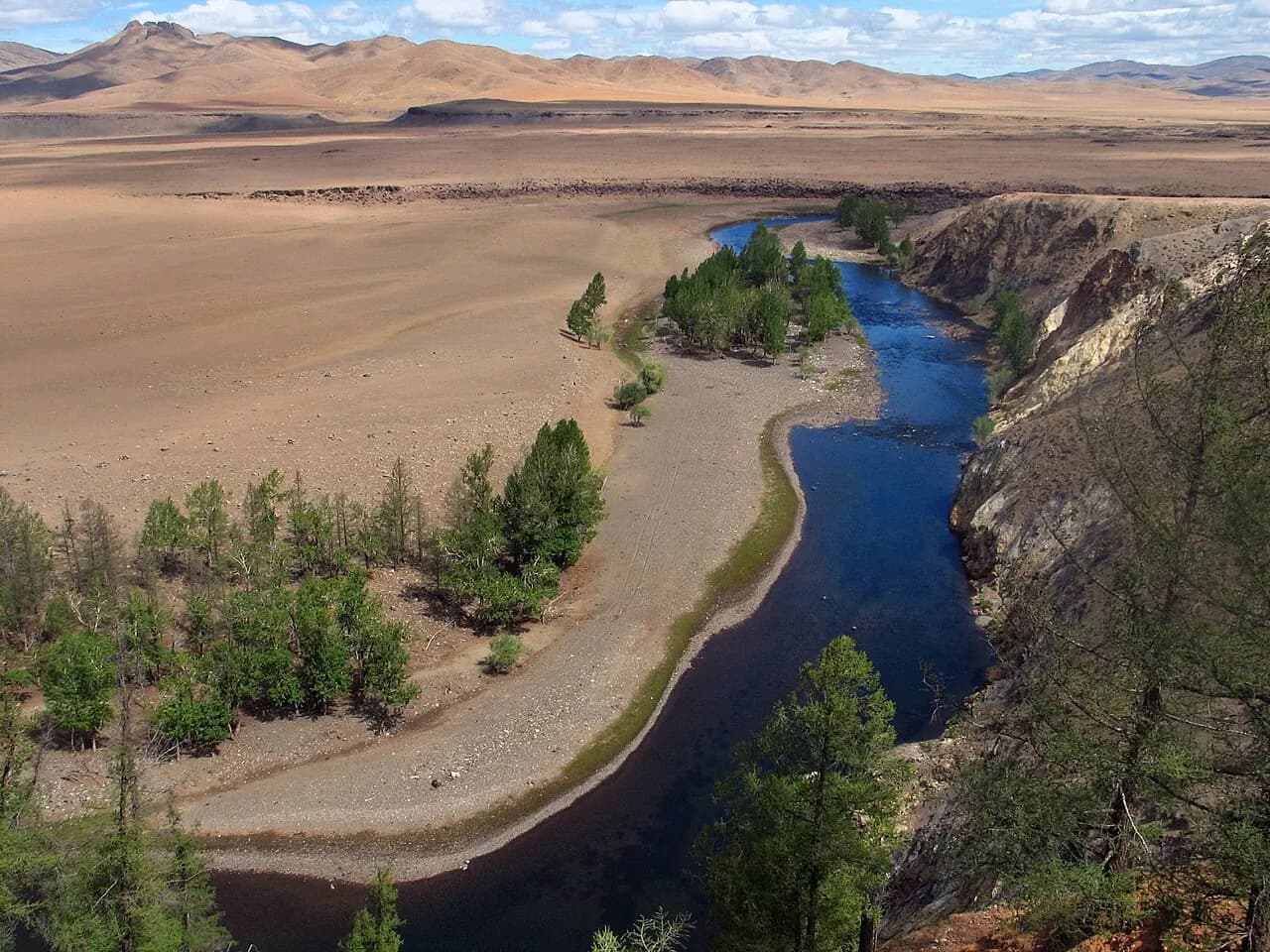
Orkhon Valley & Ulaan Tsutgalan
A 20 m waterfall, nomad summer camps and Tövkhön monastery.
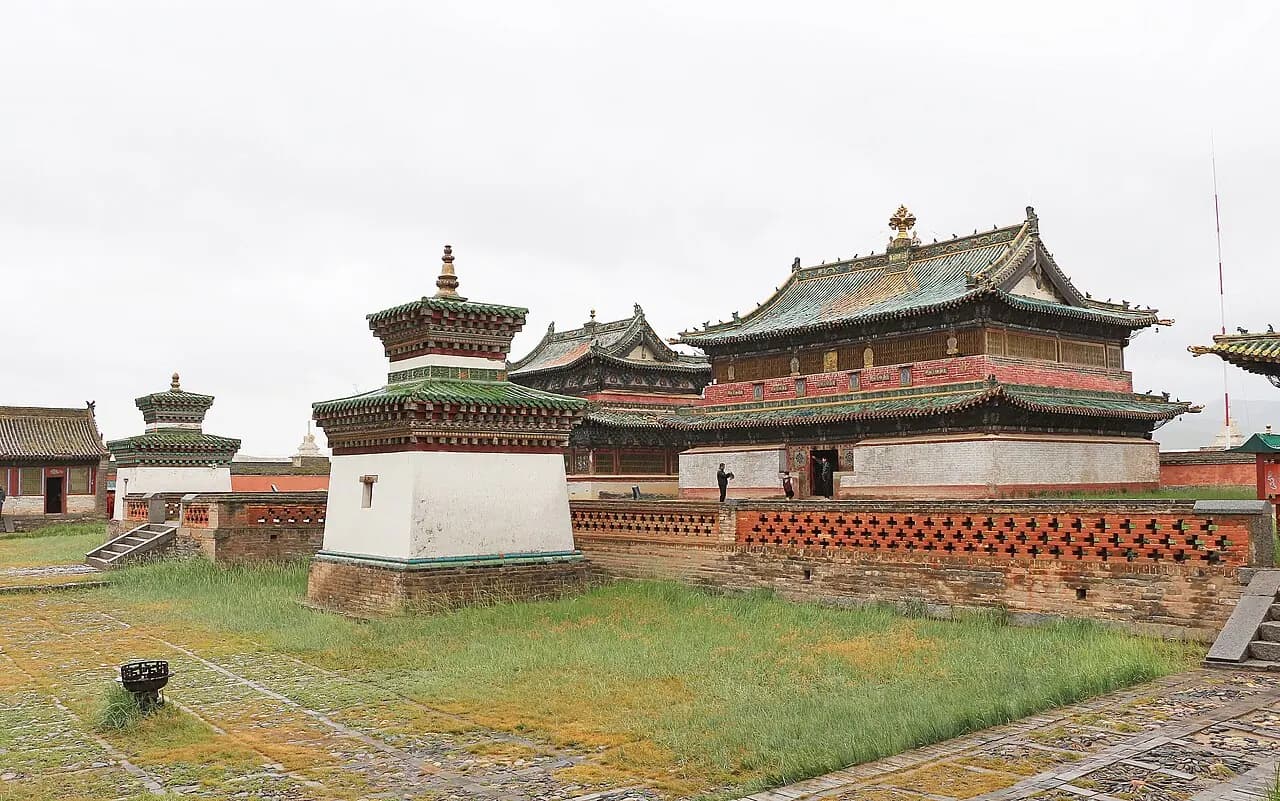
Kharkhorin & Erdene Zuu
Mongolia's oldest surviving Buddhist monastery, built on the ruins of the imperial capital Karakorum.
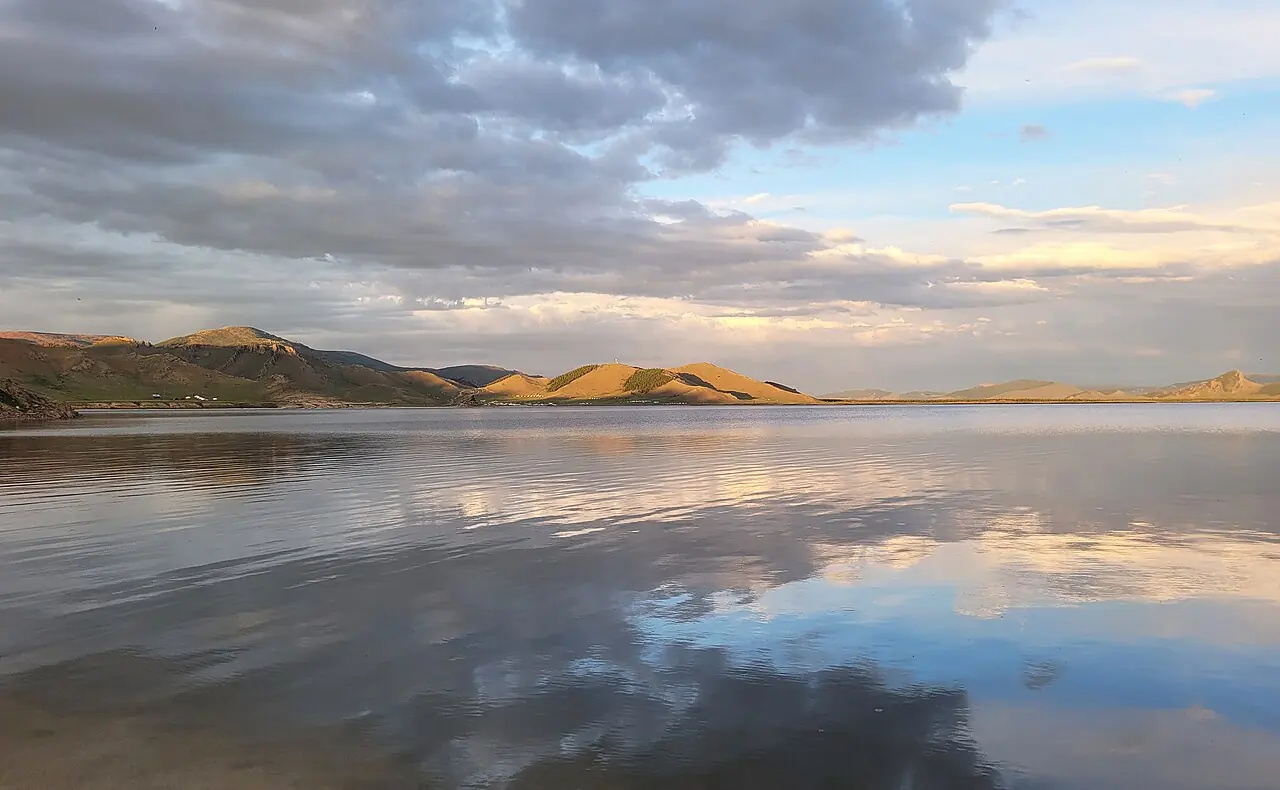
Terkhiin Tsagaan Lake & Khorgo
A freshwater lake beside an extinct volcano.
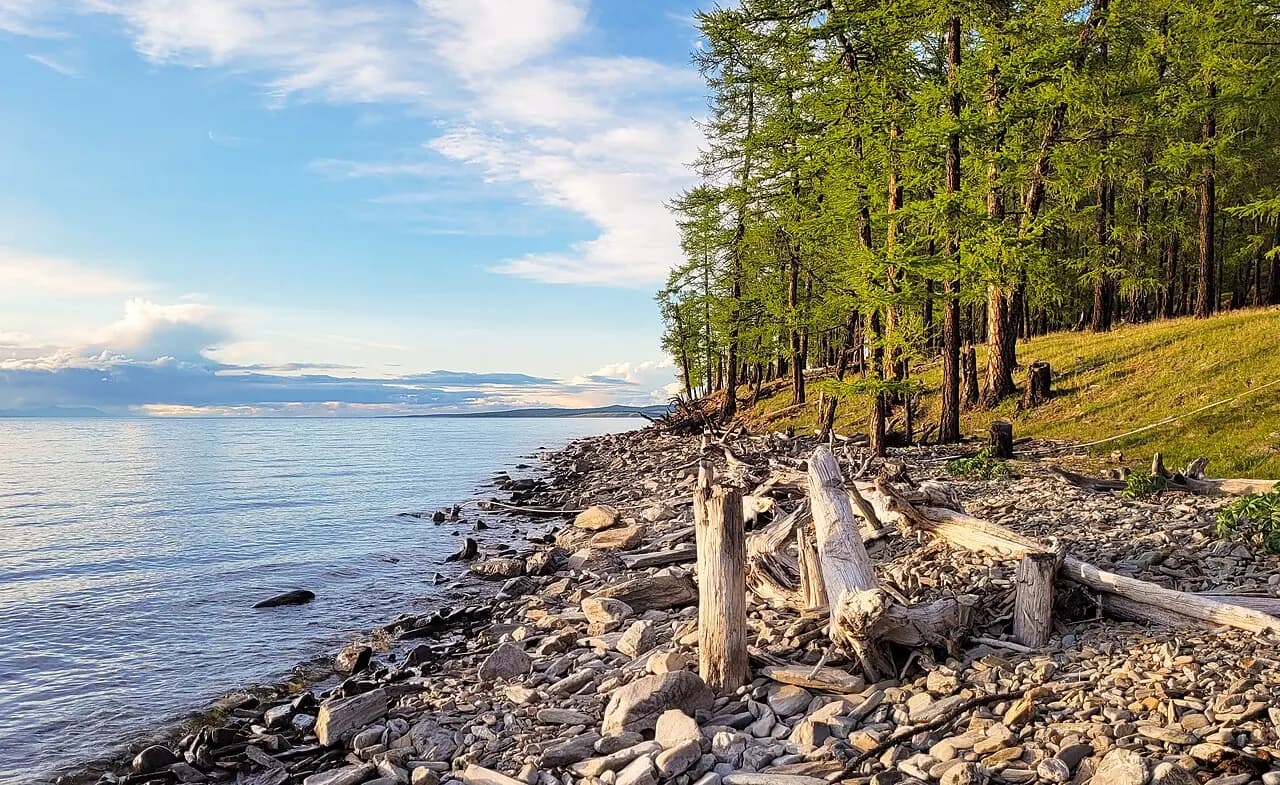
Lake Khövsgöl
The 'blue pearl of Mongolia', holding almost 70% of Mongolia's fresh water.
Frequently asked questions
Is Mongolia good for mountain biking?
Yes. Endless dirt tracks, few fences and dramatic scenery make it excellent for mountain biking and bikepacking, though remoteness demands good preparation.
Can I buy bike parts in Mongolia?
Ulaanbaatar has bike shops with basic parts, but the countryside has almost none. Bring the specific spares your bike needs.