Health & Safety in Mongolia
Health and safety in Mongolia for travellers: vaccinations, insurance, medical care, dogs, marmots and ticks, road safety, winter air pollution and petty theft.
3 min read · Updated
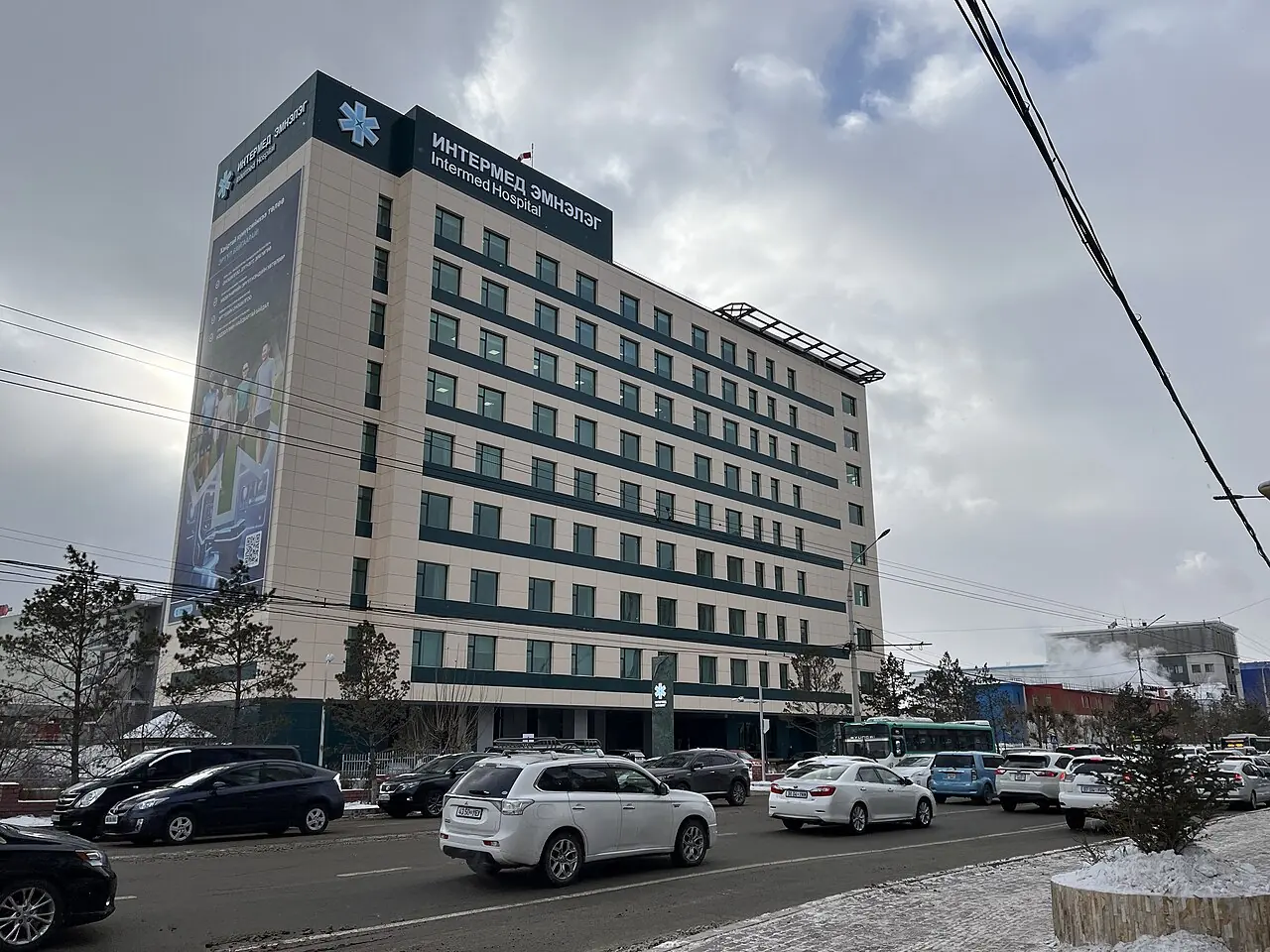
Photo: LittleT889 · CC BY 4.0 · Wikimedia Commons
Mongolia is generally a safe country to travel in, and the main health and safety risks are practical ones: long road journeys, extreme weather, limited medical care outside Ulaanbaatar, petty theft in crowded parts of the city and, in winter, air pollution in the capital. Good travel insurance that includes medical evacuation is the single most important precaution.
Vaccinations and health preparation
For travellers from most countries no vaccinations are normally required for entry, but routine vaccines should be up to date. Travel clinics commonly recommend hepatitis A and B and typhoid, and may suggest rabies vaccination for people spending time in rural areas around animals, and tick-borne encephalitis vaccination for forested northern areas in spring and summer. See a travel health clinic 6–8 weeks before departure, and carry prescription medicines in their original packaging with a copy of the prescription.
Medical care and insurance
Ulaanbaatar has state hospitals as well as private and international clinics with English-speaking staff. Outside the capital, provincial (aimag) hospitals and small soum health centres provide basic care only, and serious cases may need transfer to Ulaanbaatar or abroad. Check that your insurance covers medical evacuation, adventure activities such as horse riding, and remote areas. Carry a first-aid kit with plasters, blister care, rehydration salts, painkillers, anti-diarrhoea tablets and any personal medication.
Countryside risks: animals, food and water
- Dogs: herders' dogs guard the gers and can be aggressive. Never approach a ger alone; call out "Nokhoi khori!" (hold the dog) and wait. Rabies is present in Mongolia, so seek medical help immediately after any animal bite or scratch.
- Marmots: the rare cases of bubonic plague in Mongolia are linked to hunting or eating marmots. Do not touch marmots or eat their meat, and respect any local quarantine notices.
- Ticks: in forested northern areas, use repellent, cover up and check your body daily.
- Food and water: drink bottled, boiled or filtered water. Dairy products such as airag (fermented mare's milk) can upset unaccustomed stomachs, so try small amounts first.
- Horses: ride only with a guide, wear a helmet if possible and follow your guide's instructions, as Mongolian horses are semi-wild and can be skittish.
Road safety and weather
Road accidents are one of the biggest risks to travellers. Use an experienced driver, wear a seat belt wherever one is fitted, avoid driving at night in the countryside, and do not let drivers rush on dirt tracks. The weather can be extreme: summer heat in the Gobi, sudden storms, and winter temperatures that can fall below −30°C. Carry water, sun protection and warm layers at all times. In winter, Ulaanbaatar's air quality is often very poor because of coal and stove smoke from the ger districts; people with asthma or heart conditions should bring their medication and consider a good-quality mask.
Crime and personal safety in Ulaanbaatar
Violent crime against visitors is uncommon, but pickpocketing and bag-slashing occur in crowded places such as markets, busy stretches of Peace Avenue, the area around the State Department Store, and public buses. Keep valuables in a front pocket or money belt, use registered taxis or ride-hailing apps, and be cautious around drunk people late at night. Keep a copy of your passport separate from the original.
Practical tips
- Emergency numbers: 101 fire, 102 police, 103 ambulance; your guide can help interpret.
- Register your trip with your country's embassy if this service is offered.
- Check your government's current travel advice before departure, as conditions can change.
- Share your route and expected return time when trekking or travelling in remote areas.
Frequently asked questions
Which vaccinations do I need for Mongolia?
No vaccinations are usually required for entry, but routine vaccines plus hepatitis A and B, typhoid and, depending on your plans, rabies and tick-borne encephalitis are often recommended. Consult a travel clinic 6–8 weeks before departure.
Is medical care available in rural Mongolia?
Provincial and soum clinics offer basic care only. Serious cases are transferred to Ulaanbaatar, so insurance with medical evacuation cover is essential.
When is air pollution worst in Ulaanbaatar?
Pollution is worst in winter, especially from December to February, when coal and stove smoke from the ger districts builds up in the valley.