Quick Info for Visitors
Quick info for visitors to Mongolia: time zones UTC+8 and UTC+7, 220 V power and plug types, emergency numbers 101/102/103, currency, language, tipping, water.
3 min read · Updated
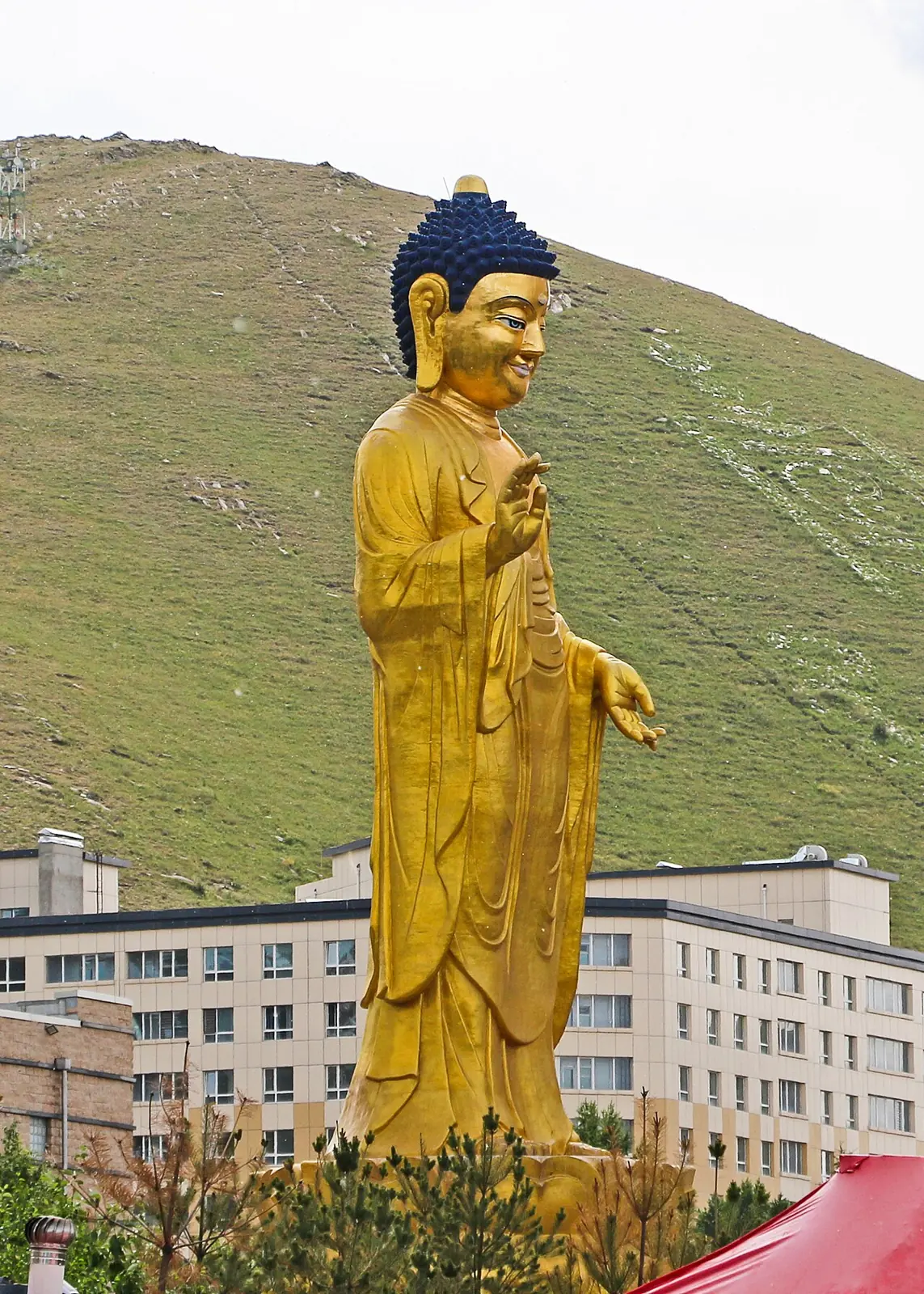
Photo: Bernard Gagnon · CC0 · Wikimedia Commons
Mongolia uses UTC+8 in most of the country, including Ulaanbaatar, and UTC+7 in the far west; the electricity supply is 220 V with European-style plugs (types C and E); and the emergency numbers are 101 for fire, 102 for police and 103 for ambulance. Below is the essential practical information to have at hand when you arrive.
Time zones
Most of Mongolia, including Ulaanbaatar and the Gobi, is on UTC+8 — the same as Beijing. The westernmost provinces, Bayan-Ölgii, Uvs and Khovd, use UTC+7. Mongolia does not currently observe daylight saving time, but it has been introduced and dropped several times in the past, so check before you travel. On a road trip into the west, your phone may switch time zone automatically, and domestic flight times are always given in local time.
Electricity and plugs
The supply is 220 V, 50 Hz. Sockets generally take round two-pin European plugs (type C, compatible with types E and F). Most phone, camera and laptop chargers handle 100–240 V, but check the label on hair dryers and other devices from 110 V countries. Bring a universal adapter. In ger camps, electricity often comes from solar panels or a generator and may be available only in the evening or in the main building, so a power bank is useful.
Emergency numbers
- 101 — fire and rescue
- 102 — police
- 103 — ambulance
Operators may speak only Mongolian, so if you are on a tour, call your guide or tour operator first and ask them to help. Before leaving home, save your embassy's contact details (from your foreign ministry's official website) and your insurer's emergency line in your phone. Mobile coverage in the countryside can be patchy, so share your itinerary with someone. Confirm the numbers locally, as services can be reorganised.
Currency and payments
The currency is the tögrög (MNT, symbol ₮). Cards are widely accepted in Ulaanbaatar, and ATMs are found in the capital and in provincial centres. Banks and licensed exchange offices change major currencies such as US dollars, euros, Chinese yuan and Russian roubles; bring clean, undamaged notes. Carry cash for the countryside. Exchange rates move, so check a current rate with a bank or the official rate published by the Bank of Mongolia.
Language
The official language is Mongolian, written in Cyrillic. The traditional vertical Mongolian script is also used and is being reintroduced in official documents alongside Cyrillic. In Bayan-Ölgii, Kazakh is widely spoken. English is common in hotels, tour companies and among younger people in Ulaanbaatar, but much less so in the countryside. Many older Mongolians understand Russian.
Tipping
Tipping is not a traditional custom, but in tourism it has become normal to tip guides and drivers at the end of a tour if you are happy with their work. Some restaurants in Ulaanbaatar add a service charge, so check the bill. Rounding up a taxi fare is appreciated but not expected.
Drinking water
Do not drink tap water untreated. Bottled water is cheap and sold everywhere; in the countryside, boil, filter or treat water from wells and rivers. Ice and salads in reputable city restaurants are generally fine, but use judgement elsewhere.
Practical tips
- Keep a photo of your passport and your visa or entry stamp on your phone.
- Mongolia drives on the right, although many cars are right-hand-drive imports.
- Shops and offices may close for public holidays, especially during Tsagaan Sar and Naadam.
- Time-zone rules, emergency services and exchange procedures can change: confirm with official sources on arrival.
Frequently asked questions
What time zone is Ulaanbaatar in?
Ulaanbaatar is on UTC+8, the same as Beijing. The western provinces of Bayan-Ölgii, Uvs and Khovd use UTC+7.
What plugs are used in Mongolia?
Mongolia uses 220 V, 50 Hz with round two-pin European plugs, types C and E. A universal adapter is recommended.
Is tap water safe to drink in Mongolia?
It is best not to drink untreated tap water. Bottled water is sold everywhere, and in the countryside you should boil or filter water.