Mongolian People
Mongolian people at a glance: about 3.5 million (2024), half in Ulaanbaatar. Khalkha majority, Kazakhs, Buryats, Dörvöd, Tuvans, Tsaatan, language and names.
3 min read · Updated
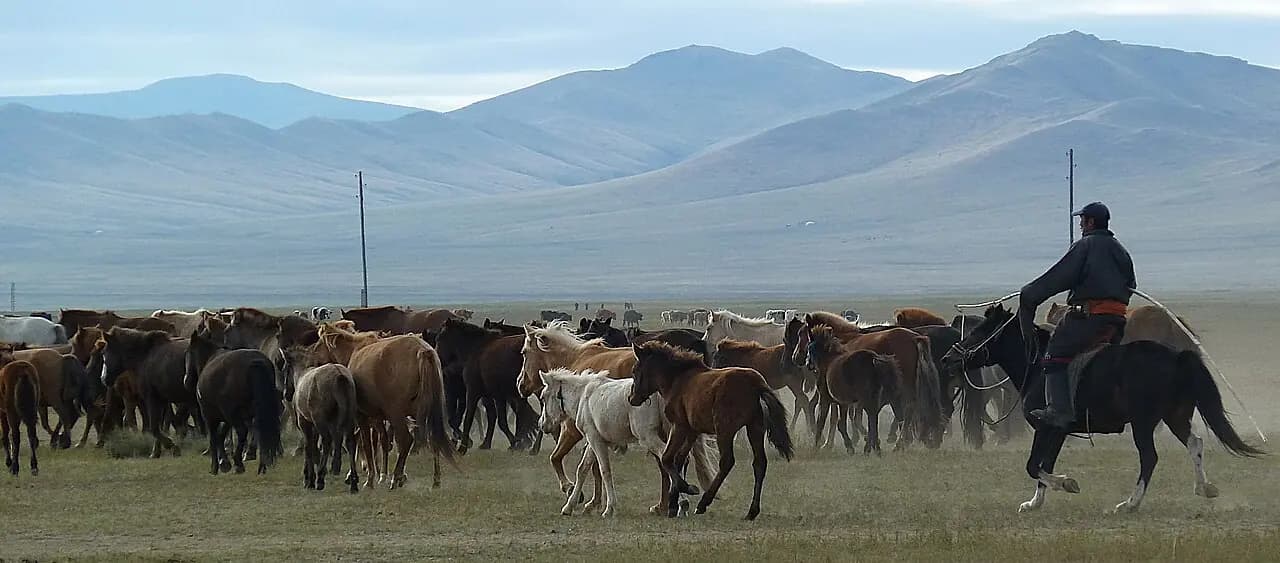
Photo: Unknown · CC BY 4.0 · Wikimedia Commons
Mongolia is home to about 3.5 million people (2024), and roughly half of them live in the capital, Ulaanbaatar. The large majority are Khalkha Mongols, alongside a number of other Mongol groups and minorities such as Kazakhs, Tuvans and the reindeer-herding Tsaatan. With so much land and so few people, Mongolia is one of the most sparsely populated countries in the world.
Population and where Mongolians live
Mongolia's population has grown steadily since the mid-20th century and is young by global standards. The big change of recent decades has been the move to the city: Ulaanbaatar has grown from a modest town into a capital of well over a million people, with apartment districts in the centre and sprawling ger districts on the hillsides. Darkhan and Erdenet are the next-largest cities, and each of the 21 provinces (aimags) has a provincial centre. Outside the towns, herding families live in gers and move with their animals across the seasons, so you may drive for hours between settlements.
Ethnic groups in Mongolia
- Khalkha: more than four in five Mongolians are Khalkha, and the Khalkha dialect is the basis of the standard language.
- Western Mongol (Oirat) groups: the Dörvöd, Bayad, Zakhchin, Torguud, Ööld and others live mainly in the western provinces such as Uvs and Khovd, each with its own dialect, dress details and customs.
- Buryats: concentrated in the north and northeast, especially in Khentii, Dornod and Selenge, with close links to Buryats across the Russian border.
- Kazakhs: the largest group that is not Mongolic, forming the majority in Bayan-Ölgii province in the far west. They speak Kazakh, a Turkic language, and their heritage is Muslim.
- Tuvans and Tsaatan (Dukha): Turkic-speaking communities in the west and north. The Tsaatan are a small community of a few hundred people who herd reindeer in the taiga of northern Khövsgöl.
Other groups include the Dariganga in the southeast and the Uriankhai in the west. Many more Mongols live outside Mongolia — in China's Inner Mongolia Autonomous Region there are several million, and in Russia there are Buryats in Buryatia and Kalmyks in Kalmykia.
Language, script and names
The official language is Mongolian, written in the Cyrillic alphabet since the 1940s with two extra letters, ө and ү. The traditional vertical Mongolian script never disappeared: it is taught in schools, used in calligraphy and on official seals and signs, and is being brought back into wider official use. Mongolians usually go by their given name, preceded by their father's (or sometimes mother's) name as a patronymic, so Bat, son of Dorj, is Dorjiin Bat. Clan names (ovog) were largely forgotten in the 20th century and have been revived since the 1990s, but in daily life people use given names.
Religion and everyday identity
Tibetan Buddhism is the main religion, often combined with older shamanic and nature beliefs such as honouring sacred mountains and ovoo cairns. Islam is followed mainly by Kazakhs, and there is a small Christian minority. Many Mongolians describe themselves as not religious but still keep customs such as Tsagaan Sar visits, blessing journeys with milk and offering a blue khadag scarf.
Tips for meeting Mongolian people
- A simple "Sain baina uu?" (hello) is appreciated; handshakes are common in the city.
- Do not assume everyone is ethnically Khalkha or speaks only Mongolian; ask people where they are from.
- Accept tea, food or gifts with your right hand, or with both hands as a sign of respect.
- English is widely spoken by younger people in Ulaanbaatar, much less so in the countryside, so a guide or a few phrases help.
Places in this guide
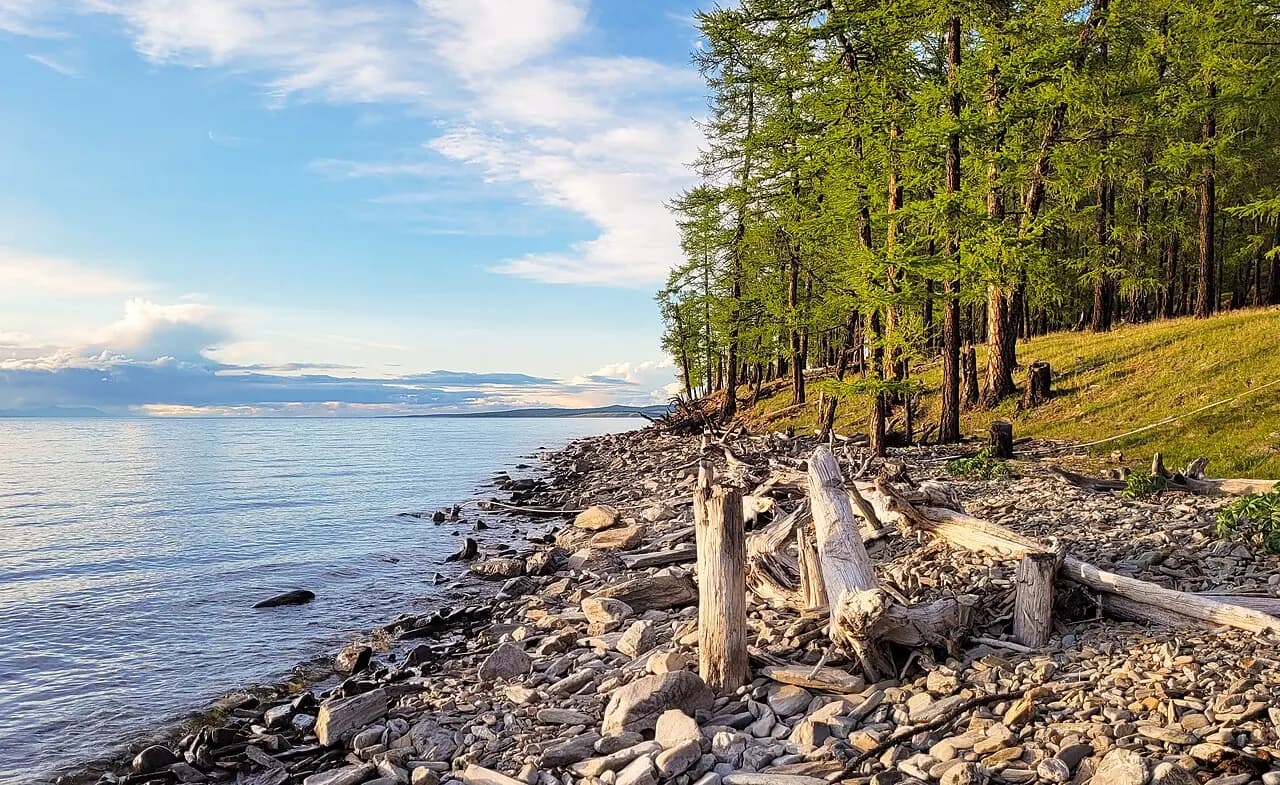
Lake Khövsgöl
The 'blue pearl of Mongolia', holding almost 70% of Mongolia's fresh water.
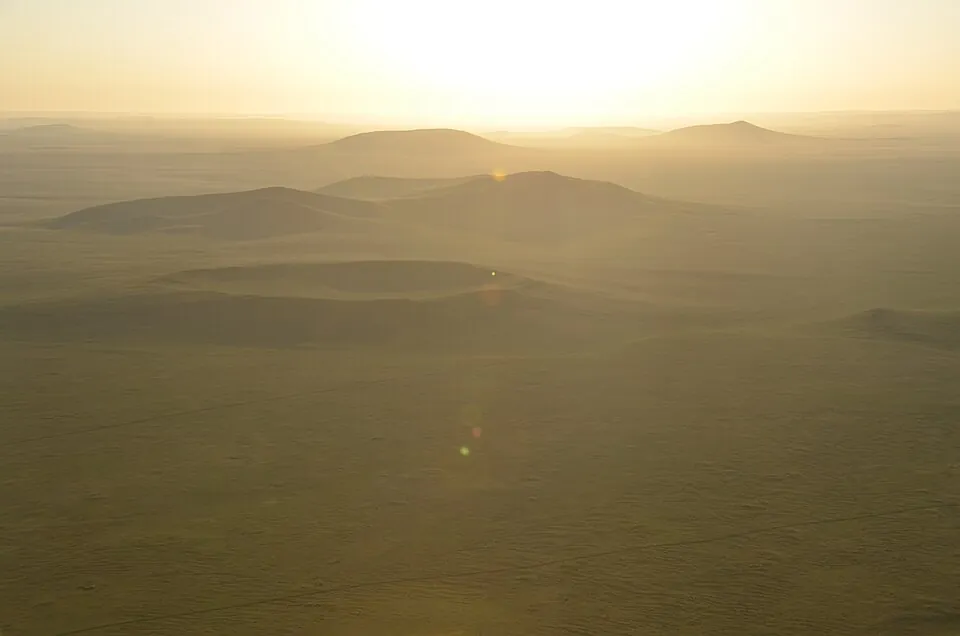
Shiliin Bogd & Dariganga
A sacred extinct volcano near the Chinese border, climbed at sunrise, amid the lakes and cones of Dariganga.
Frequently asked questions
How many people live in Mongolia?
About 3.5 million people (2024), roughly half of whom live in Ulaanbaatar.
What ethnic groups live in Mongolia?
Khalkha Mongols are the majority, alongside Mongol groups such as the Dörvöd, Bayad and Buryats, and minorities including Kazakhs, Tuvans and the Tsaatan.
Do Mongolians have surnames?
In daily life Mongolians use a patronymic plus their given name. Clan names were revived from the 1990s but are rarely used day to day.