Mongolia Economy
An overview of Mongolia's economy: copper, coal and gold mining, herding and cashmere, tourism, key challenges and what it all means for travellers.
3 min read · Updated
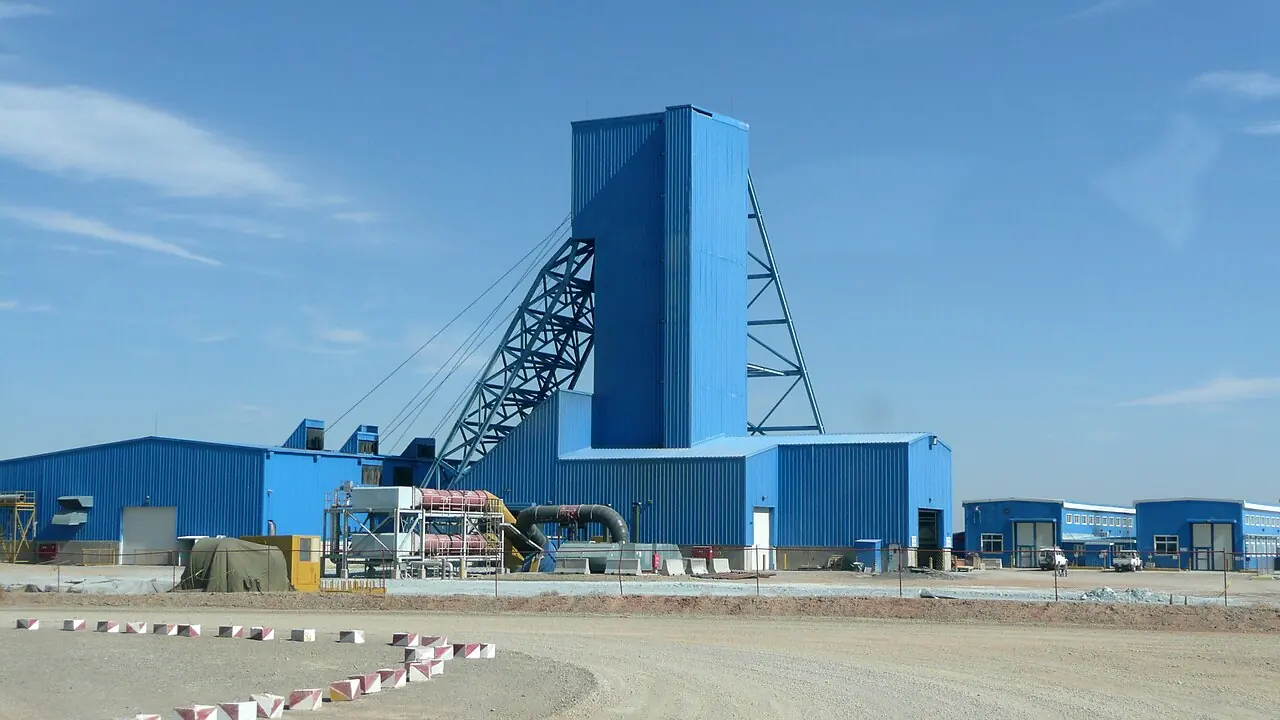
Photo: Brücke-Osteuropa · Public domain · Wikimedia Commons
Mongolia's economy rests on two pillars: mining, which dominates exports, and livestock herding, which supports much of the rural population. Copper, coal and gold — sold mainly to China — drive growth, while cashmere, meat and tourism are important secondary sectors. In 2024 the World Bank reclassified Mongolia as an upper-middle-income country.
Mining: the engine of growth
Mining accounts for roughly a quarter of GDP and the large majority of export earnings. The key operations include:
- Oyu Tolgoi in the South Gobi, one of the world's largest copper-gold deposits. It is operated by Rio Tinto, with the Mongolian government holding a 34% stake, and its underground mine began production in 2023.
- Tavan Tolgoi in Ömnögovi province, a huge coking-coal deposit whose output is trucked and, increasingly, carried by rail to the Chinese border.
- Erdenet, a copper-molybdenum mine in the north that has operated since the late 1970s.
- Gold, iron ore, fluorspar and other minerals mined across the country.
Because China buys most of Mongolia's exports — often more than 80% in recent years — Chinese demand and world commodity prices strongly shape Mongolia's growth, state budget and currency.
Herding, cashmere and farming
Livestock herding remains the backbone of rural life and one of the largest sources of employment. Herders raise sheep, goats, cattle and yaks, horses and camels, and the national herd numbers in the tens of millions. Mongolia is the world's second-largest producer of raw cashmere after China, and local companies spin, knit and weave it into garments sold at home and abroad. Wool, leather, meat and dairy are also significant. Crop farming, mainly wheat and potatoes, is concentrated in the northern provinces.
Herding is highly exposed to dzud — harsh winters in which deep snow, ice or drought-weakened pasture leave animals unable to graze. Severe dzud winters, such as 2009–2010 and 2023–2024, killed millions of animals and pushed many families towards the cities.
Services, tourism and the urban economy
Ulaanbaatar generates the majority of national output, and services — trade, banking, construction, transport and telecommunications — employ most city residents. Mobile banking and QR-code payments have spread quickly. Tourism is a growing sector built on nature, nomadic culture and festivals such as Naadam; it is concentrated in summer, and the government and industry have been promoting winter events such as the ice and eagle festivals to lengthen the season.
Key challenges
- Dependence on a few commodities and one main buyer makes the economy volatile, with boom-and-bust cycles in the 2010s.
- The tögrög can move sharply against the US dollar, and inflation has at times reached double digits.
- Winter air pollution in Ulaanbaatar, the gap between the capital and the countryside, and pasture degradation from overgrazing and climate change are major policy issues.
- As a landlocked country, Mongolia relies on routes through Russia and China for almost all trade.
What it means for travellers
- Imported goods in Ulaanbaatar can cost as much as in Europe, while local food, transport and countryside services are usually cheaper. Prices shift with exchange rates and inflation, so treat any figures you read as approximate.
- Cashmere, felt and wool products are among the best buys; shop at established stores and check labels for 100% cashmere.
- Fuel price changes occasionally affect tour costs, so confirm in writing what your tour price includes.
- Pay in tögrög: the national currency is used for everyday transactions, and cards and QR payments work widely in the city.
Frequently asked questions
What is the main industry in Mongolia?
Mining — especially copper, coal and gold — provides the large majority of exports. Livestock herding remains the main livelihood in the countryside.
What does Mongolia export most?
Coal, copper concentrate and gold are the main exports, mostly sold to China. Cashmere and meat are also exported.
Why is Mongolian cashmere famous?
Mongolia is the world's second-largest producer of raw cashmere, and fibre from goats raised in its harsh climate is valued for being fine and soft.