International Border Points
Mongolia's international border points: Chinggis Khaan airport, Russian crossings at Sükhbaatar and Altanbulag, Zamyn-Üüd to China, and why to check status.
3 min read · Updated
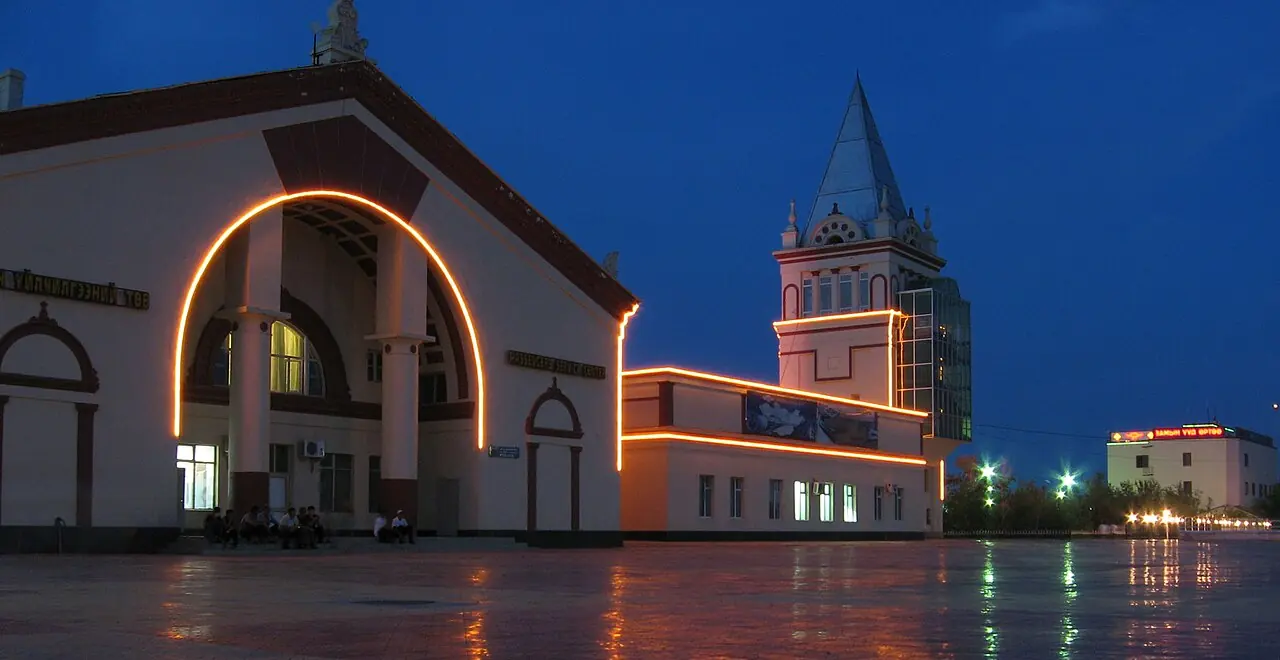
Photo: Uugii · GFDL · Wikimedia Commons
Most visitors enter Mongolia by air through Chinggis Khaan International Airport near Ulaanbaatar, or overland at the main rail and road crossings with Russia (Sükhbaatar–Naushki by rail and Altanbulag–Kyakhta by road) and with China (Zamyn-Üüd–Erenhot). Mongolia has many other border points, but some are seasonal, freight-only or open only to Mongolian, Russian or Chinese citizens, and their status for foreigners changes — always confirm before planning an overland route.
By air: Chinggis Khaan International Airport
The country's main gateway, Chinggis Khaan International Airport (code UBN), opened in July 2021 in the Khöshigt Valley, roughly 50 km south of central Ulaanbaatar, replacing the old Buyant-Ukhaa airport. It handles almost all international flights. A few regional airports have occasionally had international or charter services, but these are irregular. Check current routes and schedules directly with airlines.
Border crossings with Russia
- Sükhbaatar–Naushki (rail) — the Trans-Mongolian railway crossing in Selenge province, used by trains between Ulaanbaatar and Irkutsk (direct Moscow services have been suspended in recent years, so check current timetables). Formalities take place on board and the stop can last several hours.
- Altanbulag–Kyakhta (road) — the main road crossing on the route between Ulaanbaatar and Ulan-Ude.
- Tsagaannuur–Tashanta (road) — in Bayan-Ölgii province, linking western Mongolia with Russia's Altai Republic; used by overland travellers heading to Ölgii and the Altai.
- Borshoo–Khandagaity (road) — in Uvs province, towards Tuva.
- Ereentsav–Solovyovsk (road and rail) — in Dornod province in the east.
Smaller crossings may close at weekends and on public holidays in either country.
Border crossings with China
- Zamyn-Üüd–Erenhot (rail and road) — the busiest crossing, in Dornogovi province. Trains between Ulaanbaatar and Beijing pass here; because Mongolia's railway uses the Russian broad gauge and China's uses standard gauge, the wheel bogies of passenger carriages are changed on the Chinese side at Erenhot. At the road crossing, travellers normally cannot walk across and instead ride in shared jeeps or buses.
- Gashuunsukhait–Ganqimaodu and Shiveekhüren–Ceke — in Ömnögovi province, mainly used for coal and freight.
- Bichigt (Sükhbaatar province) and Bulgan (Khovd province) — regional crossings whose status for third-country nationals has varied.
Opening status changes: check before you go
Mongolian border points are classified as permanent or seasonal, and as international (open to all nationalities) or bilateral (open only to citizens of Mongolia and the neighbouring country). Classifications, opening days and hours change, and crossings can close at short notice for holidays, weather, epidemic control or other reasons. Before planning a route, check with the General Authority for Border Protection, the Immigration Agency of Mongolia or a Mongolian embassy, and with the Russian or Chinese authorities. If you need a visa, make sure it allows entry by land and, where required, through the specific checkpoint you plan to use.
Practical tips for crossing overland
- Get any visa you need for Russia or China before reaching the border; you generally cannot obtain one at a land crossing.
- Arrive early: road crossings can close for lunch and in the evening, and queues of trucks and cars may be long.
- Carry some cash in both currencies for jeeps, fees and food on the other side.
- If you drive your own vehicle, bring registration documents and insurance, and expect customs formalities for temporary import.
- Border zones may require permits, and you should never photograph border installations or officials.
Places in this guide
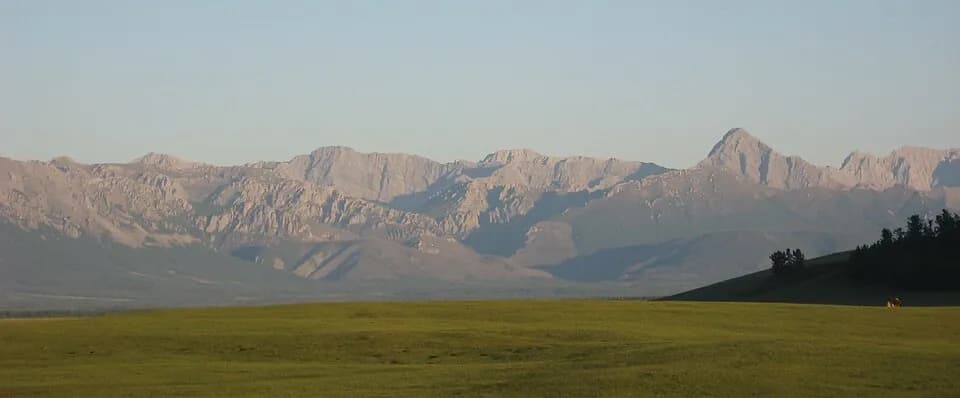
Darkhad Valley & Tsagaannuur
A remote valley of lakes and taiga in northern Khövsgöl, home to the Dukha reindeer herders.
Frequently asked questions
Can I walk across the border from Mongolia to China?
Usually not at Zamyn-Üüd–Erenhot; travellers cross in shared jeeps, buses or by train. Rules can change, so check in advance.
Can foreigners use every Mongolian border crossing?
No. Some crossings are bilateral (for Mongolian and neighbouring-country citizens only), freight-only or seasonal. Check with the border authority or an embassy.
What is Mongolia's main international airport?
Chinggis Khaan International Airport (UBN), opened in 2021 about 50 km south of Ulaanbaatar.